Chairlifts and Campaign Checks: The Political Economy of South Korea's Ski Resort Boom
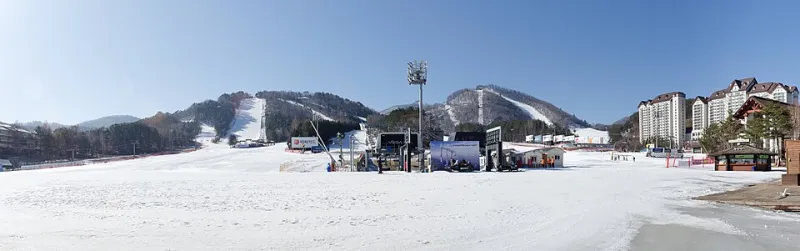
Photo: Kalatpadai, CC0, via Wikimedia Commons
Every December, as temperatures drop across the Korean Peninsula, a familiar ritual begins on the mountain slopes of Gangwon Province. Ski lifts begin their seasonal rotations, luxury lodges fill with weekenders from Seoul, and the country's winter tourism machine shifts into high gear. What is less visible to the average visitor — navigating rental shops and après-ski buffets — is the parallel machinery of political engagement that activates alongside the snow cannons.
South Korea's ski resort sector is a concentrated industry. A handful of large conglomerates, including the operators of Yongpyong, High1, and Alpensia, control the majority of premium mountain real estate. That concentration of ownership creates a correspondingly concentrated pool of political donors with shared regulatory interests — interests that become especially urgent when budget season and ski season coincide.
The Anatomy of a Winter Lobbying Cycle
For Americans accustomed to the lobbying rhythms of Washington, D.C., the Korean equivalent may look structurally familiar even if the details differ. In the United States, industries such as real estate development, hospitality, and outdoor recreation maintain year-round lobbying presences, with seasonal spikes tied to legislative calendars. In South Korea, the dynamic is compressed and intensified by the country's relatively short but economically significant ski window — roughly December through February.
During these months, resort operators and affiliated hospitality groups face an annual cluster of policy questions: environmental impact assessments for slope expansions, transportation subsidies tied to the KTX rail connections serving ski towns, zoning decisions affecting resort-adjacent real estate development, and tourism promotion budgets allocated by the Ministry of Culture, Sports and Tourism. Each of these policy levers represents both a financial opportunity and a potential regulatory threat.
Korean campaign finance law, reformed significantly in the early 2000s following a series of high-profile scandals, prohibits direct corporate donations to individual politicians. In practice, however, the boundary between legal political contributions — routed through party political funds or policy research organizations — and the informal networks of favor and access that characterize any politically engaged industry remains contested terrain.
Gangwon Province: A Case Study in Regional Political Power
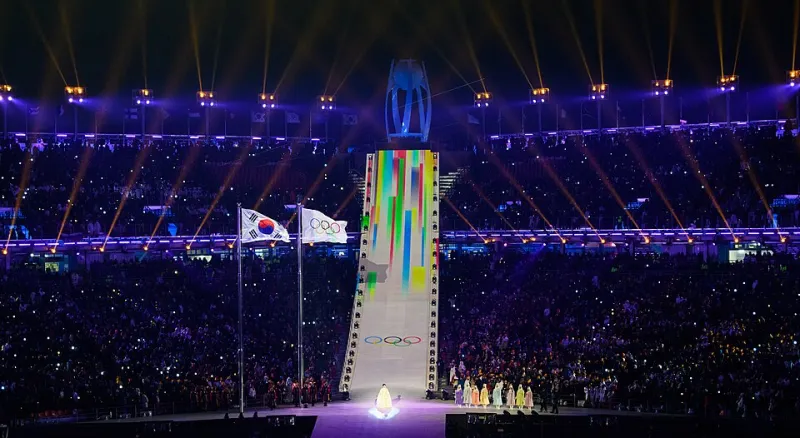
No region better illustrates the intersection of ski economics and political geography than Gangwon Province, home to the majority of South Korea's major resorts. The 2018 PyeongChang Winter Olympics transformed Gangwon's infrastructure profile dramatically, leaving behind a network of highways, rail connections, and purpose-built venues that required sustained public investment to justify.
Local and national politicians representing Gangwon constituencies have historically championed resort-friendly policies, from environmental review exemptions for slope development to state subsidies for international marketing campaigns targeting Chinese and Southeast Asian tourists. Critics argue that this advocacy often reflects the interests of large resort operators more faithfully than those of local communities, many of which have seen limited economic benefit from the tourism boom while bearing the environmental costs of mountain development.
The post-Olympics period has been particularly revealing. Several Alpensia venues, constructed at enormous public expense, have struggled with chronic underutilization. The political question of who bears responsibility for those losses — and who benefits from the continued public subsidies propping up resort infrastructure — remains actively contested in the National Assembly.
Environmental Regulation and the Politics of Snow
Perhaps no policy arena better illustrates the political stakes of the ski industry than environmental regulation. South Korea's mountain ecosystems are ecologically sensitive, and the expansion of ski infrastructure — including artificial snowmaking systems that consume enormous quantities of water and energy — has drawn sustained criticism from environmental advocacy groups.
Resort operators have consistently lobbied against tightened environmental review processes, arguing that regulatory delays threaten seasonal employment and regional economic stability. That argument carries genuine weight in communities where resort employment represents a significant share of winter income. But environmental groups counter that the long-term costs of mountain degradation — including watershed damage and biodiversity loss — are being externalized onto the public while profits flow to private conglomerates.
The political calculus here is not unique to Korea. American readers will recognize the pattern from debates over ski resort expansion in Colorado or Utah, where development interests, environmental advocates, and local communities frequently clash over the terms of mountain tourism. What distinguishes the Korean context is the degree to which a small number of large corporate actors dominate the industry, concentrating both the economic stakes and the political leverage.
The Reform Conversation
South Korean civic organizations and opposition legislators have periodically called for greater transparency in the relationship between the tourism industry and political funding. Proposals have included mandatory disclosure of policy meetings between resort operators and ministry officials, independent environmental review processes insulated from political pressure, and stricter enforcement of existing campaign finance restrictions.
These reform efforts have achieved modest results. The broader structural relationship between concentrated industrial wealth and political access — a challenge that democratic systems worldwide continue to grapple with — remains largely intact.
As another ski season opens across Gangwon's mountains, the slopes will fill with recreational visitors seeking nothing more complicated than fresh powder and a warm meal. The more consequential negotiations, however, will take place in meeting rooms far from the chairlifts, where the economics of winter tourism and the machinery of political influence continue their annual convergence.