Before the First Flake: South Korea's Winter Road Contracts and the Speed-versus-Scrutiny Dilemma
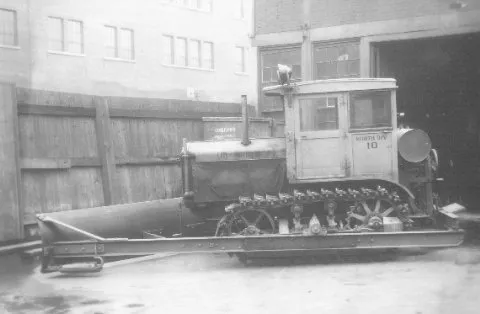
Photo: Unknown authorUnknown author, Public domain, via Wikimedia Commons
As of November 9, 2026, South Korea's winter readiness machinery is already moving. Municipalities are stockpiling road salt, lining up plow crews, and finalizing standby agreements for bridges, steep grades, and rural routes. The work is mundane until the first major snowfall, when a delayed contract becomes a stranded bus or a closed highway. That pressure helps explain why snow-removal procurement is one of the most consequential—and least glamorous—corners of local governance.
The emergency exception
Korean local governments generally rely on competitive bidding for goods and services. But winter weather creates a recognized exception: when ordinary procurement timelines would leave roads unsafe, officials can invoke emergency provisions to award work quickly. The logic is sound. A city cannot wait weeks for a formal tender while ice accumulates on an arterial road. Road salt must be purchased, equipment must be leased, and private contractors must be placed on call before conditions deteriorate.
The trouble is that emergency rules compress the very checks that make procurement defensible. Limited competition, short decision windows, and broad discretion are not inherently corrupt. They are, however, conditions in which favoritism can hide in plain sight. A specification can be written around a preferred vendor's equipment. A short deadline can exclude new bidders. A series of emergency extensions can turn a temporary award into a seasonal monopoly. None of those outcomes requires a smoking gun; they can emerge from habit, urgency, and weak record-keeping.
How favoritism can survive the thaw
South Korea's contract season is not a single event. It is a chain of decisions: which routes are bundled, how equipment is certified, how salt purchases are priced, and how performance is measured after the snow melts. When audit data is fragmented across departments, it becomes difficult for residents or opposition council members to compare awards across municipalities. When emergency declarations are routine rather than exceptional, the exception begins to swallow the rule.
This is not a uniquely Korean problem. American cities face the same tension after a bad winter. Emergency declarations can justify no-bid snow removal, emergency equipment rentals, and rapid salt purchases. The temptation to prioritize speed is real, especially when public patience is thin and liability is high. But the aftermath is where the real test begins: whether officials can show what was bought, from whom, at what price, and why competition was impractical.
The 2026 season and the post-election handover
The 2026 winter contract season follows South Korea's local elections earlier this year, which means many new municipal leaders are inheriting procurement calendars, vendor lists, and winter plans they did not design. That handover creates both opportunity and risk. New administrations can tighten transparency, but they can also rush awards to demonstrate competence before the first storm. In either case, the public record should be clear enough for outsiders to follow.
Several practical reforms are already part of the broader debate in Korea: publish emergency awards promptly, maintain pre-qualified vendor lists with objective criteria, use unit pricing for salt and plowing, require conflict-of-interest disclosures, and conduct seasonal audits before the next budget cycle. None of these measures eliminates urgency. They simply make urgency accountable.
What American cities should watch
For U.S. city councils and procurement officers, South Korea's 2026 season offers a cautionary playbook rather than a template. The lesson is not that emergency procurement is wrong. It is that emergency procurement is where governance is most vulnerable to drift. Cities that wait until the first blizzard to think about transparency will find that the storm has already made the decisions.
The better approach is to prepare the paperwork before the weather arrives: clear thresholds for emergency awards, public dashboards for winter spending, and after-action reviews that compare planned routes with actual service. Snow removal will always be a race against the forecast. The question is whether the finish line is visible to the public.